
Starting Jiu-Jitsu can feel like a bigger decision than it is. You may be wondering whether you are fit enough, whether you will remember anything, or whether everyone else will already know what they are doing.
That is exactly why a first month should have a simple plan. Your first 30 days are not about proving yourself. They are about learning the room, building a training habit, and discovering what your body and mind can do with steady practice.
Here is a beginner's roadmap for starting Jiu-Jitsu at Vanguard Self-Defense Academy in Chesterville.
Before day one
Before your first class, choose a small goal. Maybe you want to move more, feel more confident, learn practical self-defense, or find a healthy activity for your family. You do not need to know every technique or understand the belt system yet. You only need a reason that will still matter when the first class feels unfamiliar.
Book an intro, ask what to expect, and tell the instructor about injuries, limitations, or questions. Arrive a few minutes early so you can find the changing area, meet the instructor, and see how the room works. A good first visit should feel structured and welcoming, not like an audition.
Week one: learn the room
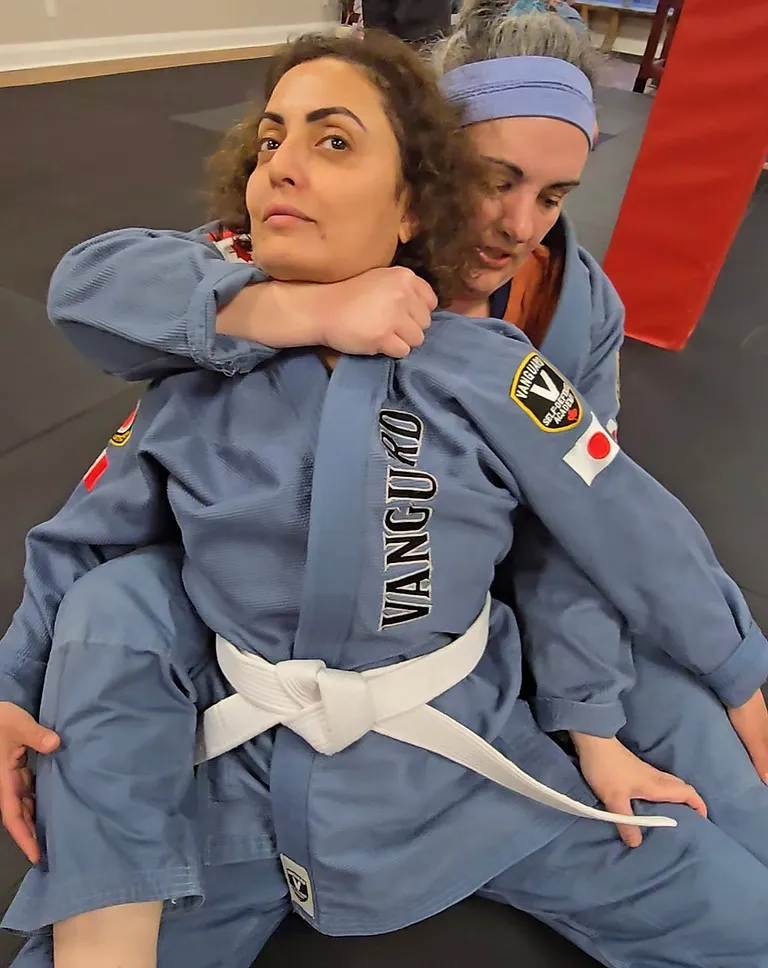
Your first week is about orientation. Learn how students line up, how partners are chosen, how the instructor gives corrections, and how the class moves from warm-up to technique to practice.
You may learn a stance, a breakfall, a movement pattern, or a basic position. It is normal for the details to feel slippery. Your job is not to perform the movement perfectly. Listen, try, reset, and ask when you are unsure.
Pay attention to the habits that make training safe: clean clothing, trimmed nails, controlled movement, respectful partner communication, and stopping when the instructor says to stop. These habits are part of Jiu-Jitsu, not extra rules around it.
The most important win in week one is returning for the next class.
Week two: build the foundations
In the second week, familiar pieces begin to connect. You may recognize a warm-up or remember how to fall. That small recognition matters. It gives your brain more room to notice posture, balance, breathing, and timing.
Beginner Jiu-Jitsu is often less about force than people expect. You will learn how position, leverage, frames, and movement create options. Your partner is not an opponent you need to defeat. They are someone helping you learn a movement safely.
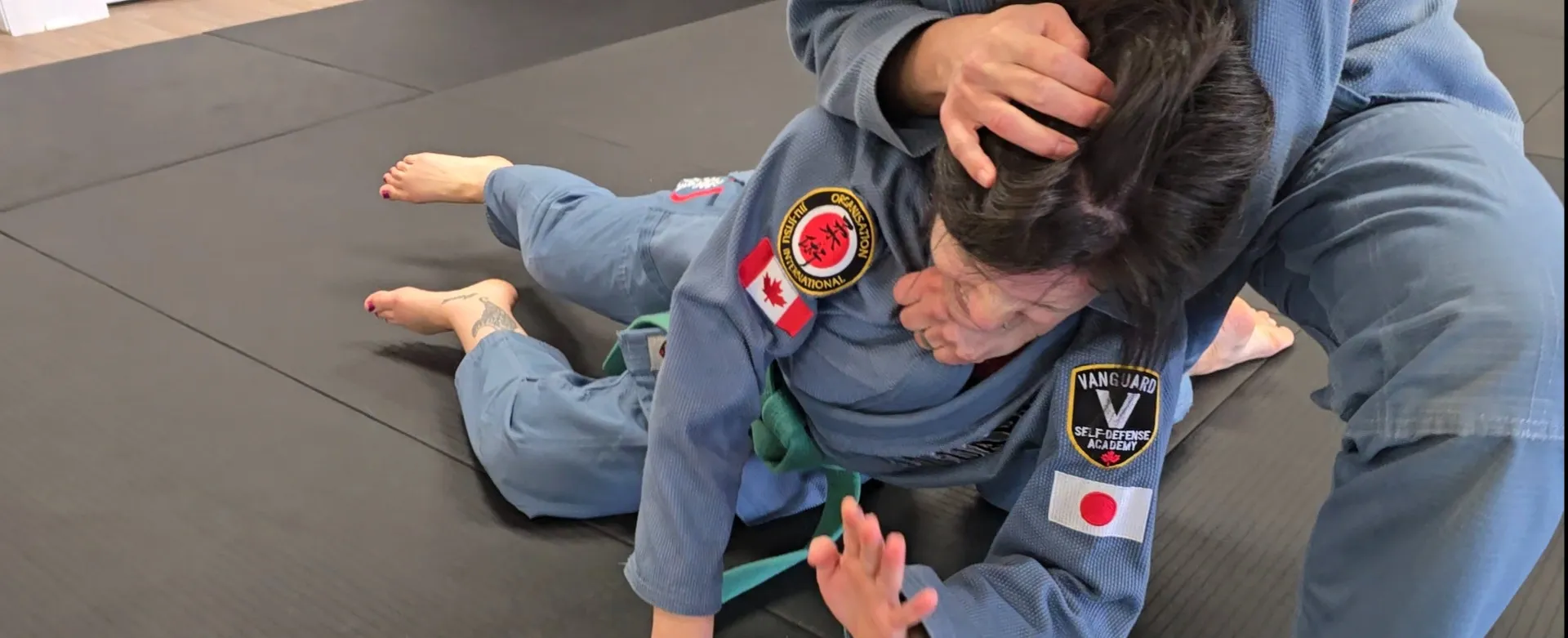
Expect some awkward repetitions. That is not a sign that you are bad at this. Coordination is being built. Keep your effort steady, breathe, and let the instructor help you find the next adjustment.
Week three: connect the pieces
By week three, you may start to see how one position leads to another. You will still forget things. You may also have a moment where a movement makes sense for the first time. Both experiences are part of learning.
This is a good week to practise decision-making. Instead of asking only, “What technique am I doing?”, ask, “What is my position? What is my partner doing? Where is my balance? What is the safest next step?” Those questions help you learn principles that transfer beyond one drill.
You can also begin noticing what Jiu-Jitsu changes outside class. You may feel more comfortable trying something difficult, more patient when a task takes time, or more aware of how you respond when you are tired. The benefits are not only physical.
Week four: pressure and perspective
The fourth week is a chance to look back. You have now seen the room more than once, trained with different people, and experienced a few moments of uncertainty without needing to quit.
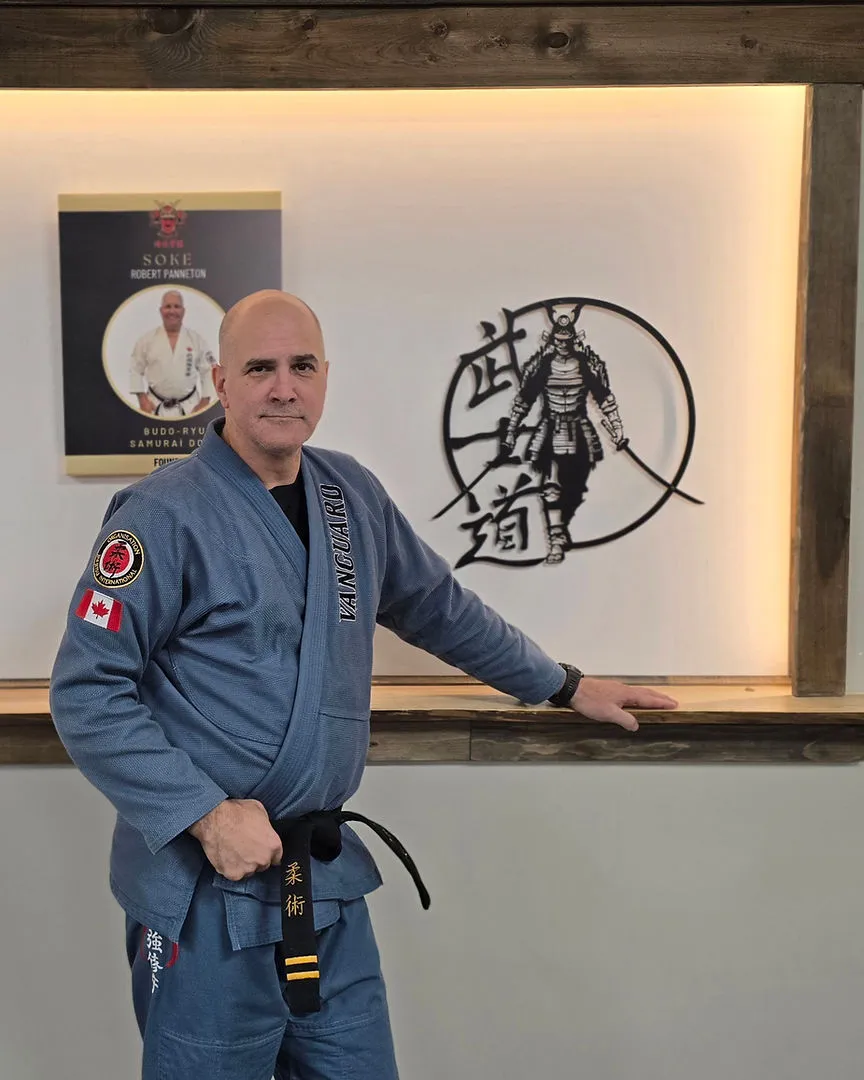
Some classes may include controlled resistance or light positional practice. The purpose is not to create a fight. It is to help you make decisions when a movement is no longer perfectly cooperative. A good instructor adjusts the exercise to the student and keeps the standard clear: control yourself, protect your partner, and learn from the feedback.
Do not judge the month by whether you feel advanced. Judge it by whether you understand the training better, whether you can recover from mistakes, and whether you want to keep going.
How often should a beginner train?
For most beginners, two classes each week is a useful rhythm. It gives you enough repetition to remember the foundations without asking your body to adapt all at once. One class each week can still be a strong start if that is what your schedule allows. Consistency matters more than an ambitious plan you cannot maintain.
Rest is part of training. Sleep, hydration, ordinary movement, and time for your body to recover all help you learn. Soreness is common at first, but sharp pain is a reason to stop and speak with the instructor or a qualified health professional.
What should you wear?
Wear clean, comfortable athletic clothing for your first visit. Choose a shirt that stays in place and shorts or pants without hard zippers, buttons, or exposed metal. Bring water and a small towel if you like. Remove jewelry and keep fingernails and toenails trimmed.
Once you know which class is the right fit, the instructor can explain the academy's uniform and equipment expectations. You do not need to buy a complete kit before you have taken your first step.
Is Jiu-Jitsu right for your family?
Jiu-Jitsu can give families a shared activity with clear standards and room for different starting points. Kids and teens learn age-guided movement, focus, boundaries, and confidence. Adults get practical training, fitness, and a way to keep learning alongside their family.
It does not need to be a competition between family members. Training together can create better conversations at home: what was difficult, what improved, and how each person handled a mistake. Vanguard serves Chesterville and North Dundas families with a supportive, bilingual-friendly dojo where French support is available when a student needs it.
The best way to decide is to visit. Notice how the instructor teaches beginners, how students treat one another, and whether the atmosphere matches the kind of growth you want for your household.
What does beginner Jiu-Jitsu cost in Chesterville?
New students receive 7 days free, then the first month of membership free when they enrol. The Warrior Path is $129.99 per month for one individual. Train Together is $299.99 per month for up to three household members. The Hero rate is $115 per month plus HST for military, first responders, nurses, and corrections professionals.
Ask about the current schedule and the program that fits your goals before you start. Clear information helps you choose with confidence.
Beginner FAQ
Do I need to be fit before I start?
No. You build fitness through training. Tell the instructor where you are starting and work at an appropriate pace. Beginners are expected to learn, not arrive already prepared.
What if I have never done martial arts?
That is normal. The first class is designed to explain the room, the safety standards, and the basic movements. You can ask questions at any point.
Will I have to spar on my first day?
No. Training is progressive. You will learn the movement and the expectations before any controlled resistance is introduced, and you can always tell the instructor if you need an adjustment.
Is Jiu-Jitsu only for people who want to compete?
No. Some students enjoy competition, but many train for practical self-defense, confidence, fitness, stress relief, or community. Your goal can shape how you approach the class.
What if I am nervous about training with a stranger?
Let the instructor know. Partner work is introduced with clear boundaries, and good training partners understand that beginners need patience, communication, and room to learn.
How do I know if I should keep going after the first month?
Ask whether the class is helping you move toward your original goal. Consider how the instructor teaches, how students treat each other, and whether the training is challenging in a useful way. Progress rarely feels dramatic after 30 days. A steady desire to return is a strong sign.
Your next step
Your first 30 days do not need to be perfect. They need to be real: one class, one correction, one useful repetition, and one return at a time.
Book your free intro session at Vanguard Self-Defense Academy in Chesterville. Meet the instructor, see the dojo, ask your questions, and find out whether Jiu-Jitsu is the right next step for you or your family.Start where you are. Train with purpose. Build calm confidence.